The Blog
Technical guides, checklists and design insights from our studio.
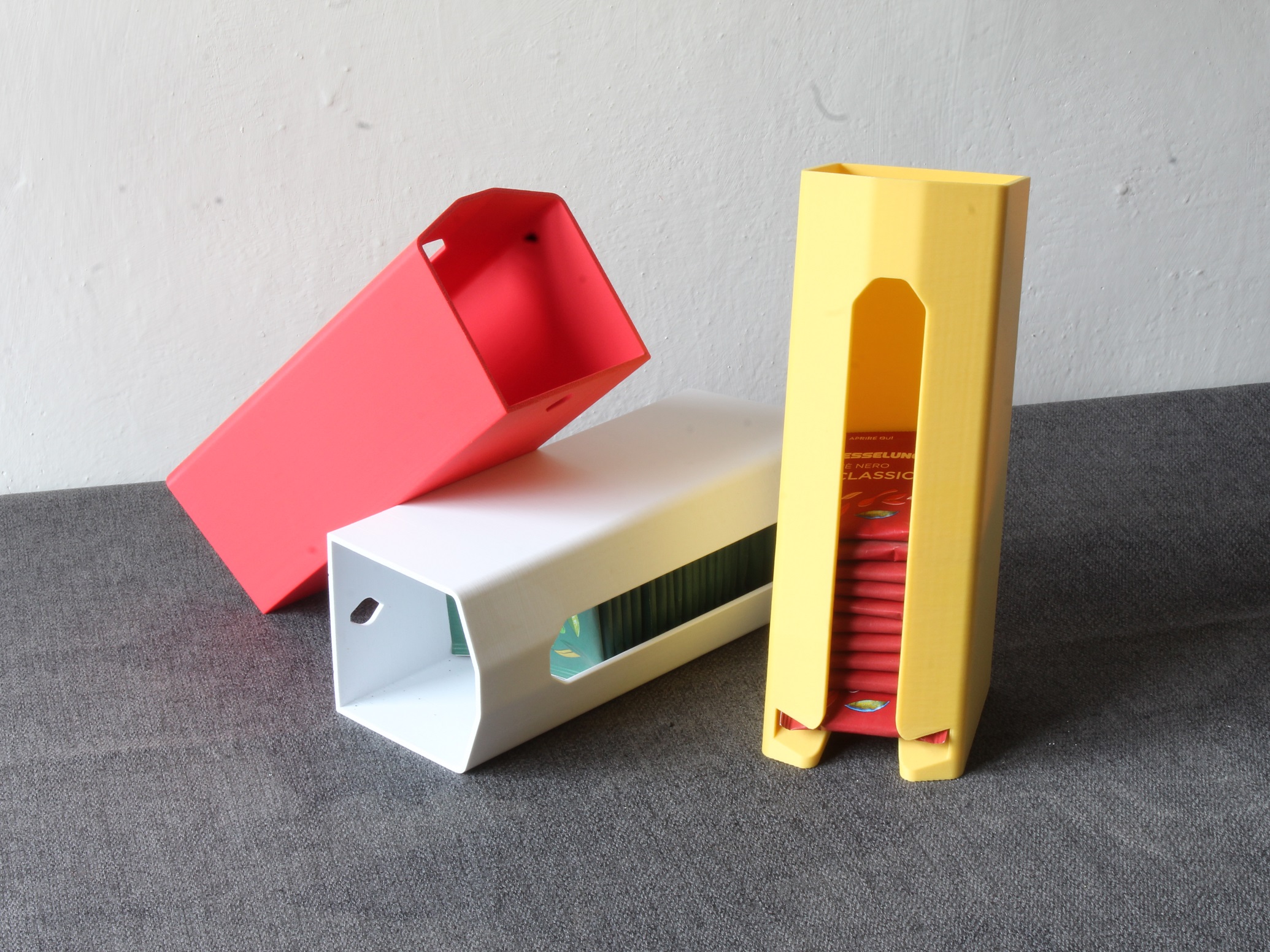
FDM 3D Printing: The Complete Part Preparation Checklist
Before you hit print, there are dozens of small decisions that determine whether your part comes out perfect or fails mid-print. This checklist covers design rules, file prep, slicer settings and material choice.
3D-Printed Master Patterns for Silicone Molds
Silicone tooling is one of the best bridges between a CAD file and a small run of real parts. But the printed master is where most of these projects go wrong — not in the printing, in the three decisions that happen right after: finish, shrinkage, and silicone chemistry.
Designing 3D-Printed Prototypes That Survive the Jump to Injection Molding
The geometry that prints and tests perfectly is often the geometry that fails first-article inspection on the mold — not because the design was wrong, but because 3D printing let you skip constraints injection molding enforces the moment metal gets cut. Here's what to check before the tool is quoted.
Designing Snap-Fits, Press-Fits, and Living Hinges Into 3D-Printed Parts
Snap-fits, press-fits, and living hinges let a 3D-printed part behave like an assembled mechanism without a single screw — but the numbers that work on paper rarely match what a consumer FDM printer actually produces. Here's what holds up in practice, not just in theory.
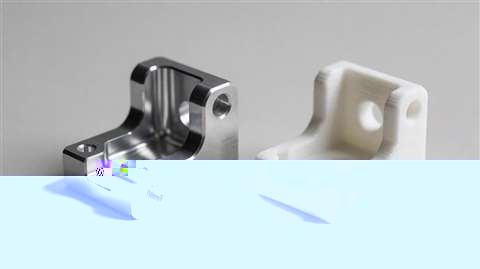
3D Printing vs. CNC Machining: When to Switch to Bridge Production
3D printing and CNC machining both compete for the same slot — bridge production, between prototype and full tooling. Here are the real crossover points on cost, tolerance, and material, not the ideological choice between "agile" and "expensive."